Mission one structure & pacing
Built and iterated on the first single-player mission’s objective sequence, checkpoints, timed and spatial failure states, progression timing, scene transitions, fog presentation, and start-screen flow.
Single-player mission development, aircraft dashboards, VR cockpit controls, mission flow, and flight-game UI for a World War II aerial-combat experience.
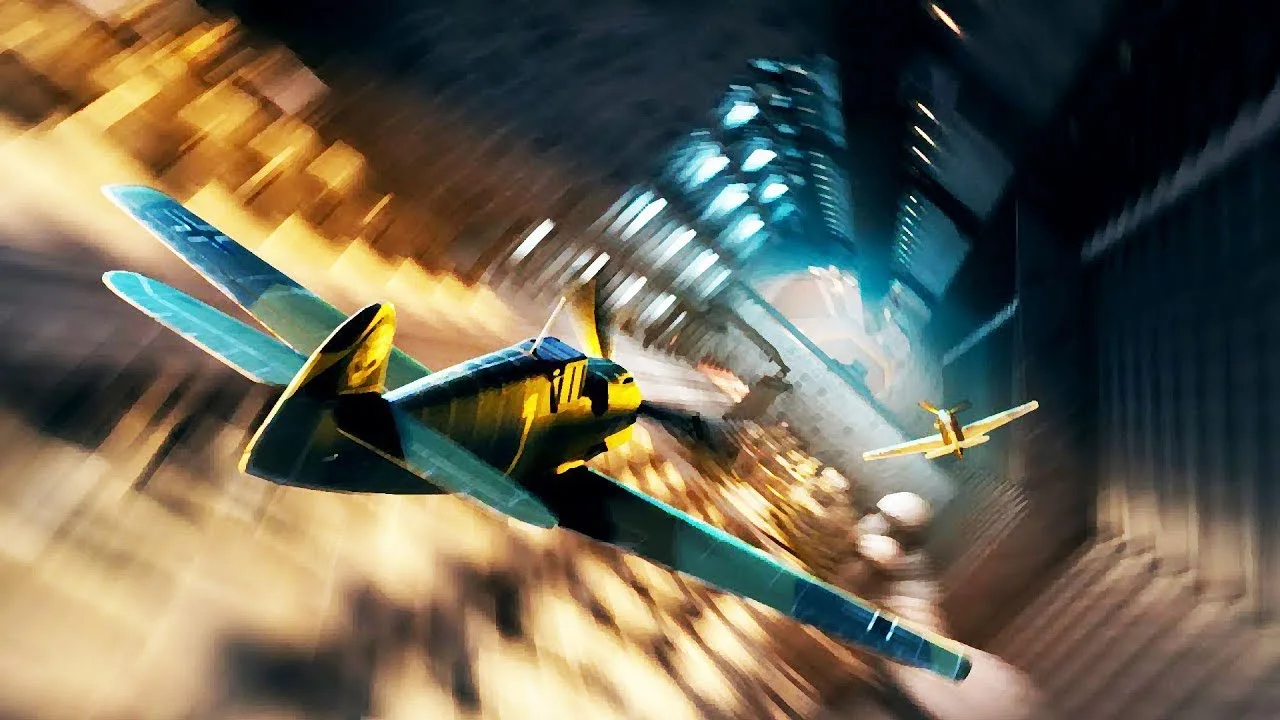
Overflight is a World War II-inspired VR aerial-combat game from Gamedust, built around cockpit flying and dogfighting. It combines flight action with player-controlled aircraft systems and a campaign mission flow.
As a Unity Developer, I worked on the project from August 2017 to August 2018. My work reached beyond the first single-player mission: I developed aircraft dashboards and player-facing menus, built match and aircraft-selection UI, and worked on free-flight and AI-match flows.
For the first mission, I built and iterated on the sequence of objectives, checkpoints, timed and spatial failure cases, transitions, fog, start presentation, and cockpit interactions. I later extended the cockpit for 6DoF hand controllers with interactive levers, buttons, highlighting, audio feedback, throttle behavior, and two-hand input-stick handling.
I created reusable aircraft readouts and dashboard components, then integrated cockpit instrumentation for the Spitfire, Messerschmitt, and Beechcraft. The work connected in-world indicators such as the artificial horizon, heading, gyroscope, and engine-related readouts with each aircraft’s runtime state and prefab setup.
Mission one was assembled as a sequence of objective and failure-state components. I added checkpoint support, stabilization and cockpit interaction objectives, timed, altitude, direction, and look-at constraints, then kept their scene presentation, dialogue timing, and transitions aligned with the mission flow.
For later VR hardware, I built an interaction layer for 6DoF cockpit controls. It covered hand-operated buttons and levers, visual highlighting, lever sounds, throttle inertia, controller-aware input behavior, and two-hand handling of the aircraft stick. I also worked on subtitle presentation so narrative text remained readable as the player looked around the cockpit.
Tools and disciplines behind the project.
Built and iterated on the first single-player mission’s objective sequence, checkpoints, timed and spatial failure states, progression timing, scene transitions, fog presentation, and start-screen flow.
Created reusable aircraft readouts and cockpit dashboard components, then integrated instrumentation for multiple aircraft. Worked on the artificial horizon, heading and gyroscope indicators, engine-related readouts, prefabs, and aircraft state integration.
Developed cockpit buttons and levers for hand controllers, including an interaction base, highlighting, sound feedback, throttle control with inertia, hand poses, controller input behavior, and two-hand handling for the Beechcraft stick.
Created the lobby scene, aircraft-selection flow, player-facing match UI, and AI match options. Also worked on free-flight presentation and the UI connection between game modes and gameplay state.
Implemented and refined cockpit interaction objectives, warning and fail-case feedback, aircraft damage and engine-state reactions, and mission-specific environment and audio cues.
Worked on campaign subtitle presentation, including text rotation behavior for changing player view direction, and connected mission start and dialogue presentation with the cockpit experience.